Conversion
Fahrenheit to Celsius
Convert °F to °C instantly — type a value and watch it convert live, with the formula, the working shown step by step, Kelvin, and lookup charts for weather, fever, and cooking.
Enter a temperature
°F ↔ °C= (°F − 32) × 5/9
98.6 °F equals
37°C
Body / fever range
°F
98.6
°C
37
K
310.15
Edit either field — the other updates live.
Try a value
No sign-up · Free
The basics
What does the conversion mean?
Fahrenheit and Celsius measure the same thing — how hot something is — on two different rulers. They disagree on two things at once: where zero sits, and how big a degree is. The conversion fixes both. Get past those two ideas and the formula stops being magic.
°F − 32
A different starting point
The two scales line up at water's freezing point, but Fahrenheit calls that 32 while Celsius calls it 0. Subtracting 32 removes that head start before anything else happens.
Water freezes: 32 °F vs 0 °C
× 5/9
A different degree size
Between freezing and boiling, Fahrenheit counts 180 degrees where Celsius counts only 100. Each Celsius degree is bigger, so you scale Fahrenheit's figure down by the ratio 5/9.
180 °F-steps = 100 °C-steps
Method
How to convert °F to °C by hand
Three steps. Subtract, then rescale — the order matters.
- 1
Subtract 32
Remove the 32-degree offset so both scales start from the same place (water's freezing point).
212 − 32 = 180 - 2
Multiply by 5
Begin rescaling the degree size — this is the numerator of the 5/9 ratio.
180 × 5 = 900 - 3
Divide by 9
Finish the rescale. The result is the temperature in Celsius.
900 ÷ 9 = 100 °C
Worked examples
See it on real temperatures
The same three steps work for a freezing morning, a fever, or a hot oven. Switch tabs to watch the arithmetic run on each.
Convert 32 °F to Celsius (the freezing point of water)
Subtract 32: 32 − 32 = 0
Multiply by 5: 0 × 5 = 0
Divide by 9: 0 ÷ 9 = 0
32 °F = 0 °C
Quick chart
Fahrenheit to Celsius lookup table
Looking up “what is X°F in Celsius?” — here it is at a glance. Switch between weather, fever, oven, and round-number ranges. The colored dot marks how hot each reading is.
Everyday weather temperatures, 0 °F to 110 °F.
0 °F
−17.78 °C
5 °F
−15 °C
10 °F
−12.22 °C
15 °F
−9.44 °C
20 °F
−6.67 °C
25 °F
−3.89 °C
30 °F
−1.11 °C
35 °F
1.67 °C
40 °F
4.44 °C
45 °F
7.22 °C
50 °F
10 °C
55 °F
12.78 °C
60 °F
15.56 °C
65 °F
18.33 °C
70 °F
21.11 °C
75 °F
23.89 °C
80 °F
26.67 °C
85 °F
29.44 °C
90 °F
32.22 °C
95 °F
35 °C
100 °F
37.78 °C
105 °F
40.56 °C
110 °F
43.33 °C
Where it shows up
When you actually need this
Three everyday places the °F → °C conversion matters most for people coming from the US.
100.4 °F = 38 °C
Health & fever
Thermometers and medical guidance abroad use Celsius. Knowing the fever threshold in both scales avoids a scary misread.
350 °F ≈ 180 °C
Cooking & baking
US recipes give oven temperatures in Fahrenheit; ovens in most of the world are marked in Celsius or gas marks. Converting keeps the bake right.
72 °F ≈ 22 °C
Travel & weather
A forecast of 22 means a pleasant day, not a cold one. Converting makes a foreign weather report instantly readable.
Reference
Key temperatures, both scales
Anchor points worth memorizing. Values are defined in Celsius and converted to Fahrenheit and Kelvin with the same formulas the tool uses.
Reference
°C
°F
K
Absolute zeroColdest possible temperature
−273.15
−459.67
0
Water freezesFreezing / melting point
0
32
273.15
Cold winter day
−10
14
263.15
Refrigerator
4
39.2
277.15
Room temperature
21
69.8
294.15
Warm summer day
30
86
303.15
Normal body temperature98.6 °F
37
98.6
310.15
Low-grade fever
38
100.4
311.15
High fever
40
104
313.15
Hot bath water
45
113
318.15
Water boilsAt sea level
100
212
373.15
Oven — slow bake
150
302
423.15
Oven — moderate
180
356
453.15
Oven — hot / roast
220
428
493.15
Worth knowing
Facts and shortcuts worth remembering
A handful of landmarks and tricks that make temperature conversion almost automatic.
−40 °F = −40 °C
The crossover point
There is exactly one temperature where both scales agree. Below it, Fahrenheit is the larger number; above it, Celsius catches up but never equals it again.
(°F − 30) ÷ 2
The mental shortcut
Subtract 30 and halve for a fast estimate. It runs a touch warm, but it lands within a degree or two across normal weather — perfect for a quick read.
0 °C ↔ 100 °C
Freezing and boiling
Celsius is built around water: 0 for freezing, 100 for boiling. In Fahrenheit those same points are an un-round 32 and 212.
°C + 273.15
Kelvin is just shifted Celsius
Kelvin uses Celsius-sized degrees but starts at absolute zero. Add 273.15 to °C to get kelvin — no rescaling needed, which is why scientists prefer it.
1 °C = 1.8 °F
Degrees are not interchangeable
A change of one Celsius degree is a change of 1.8 Fahrenheit degrees. A “5-degree” swing means very different things on each scale.
2 × °C + 30
Reverse the estimate
Going the other way, double the Celsius figure and add 30 for a rough Fahrenheit. It mirrors the subtract-30-and-halve trick.
History
Why two scales exist at all
The awkward 5/9 factor is a leftover from history — two inventors who chose their fixed points differently.
Fahrenheit (1724)
Daniel Gabriel Fahrenheit set 0 at the coldest brine mixture he could make and pinned body temperature near 96. Water's freezing and boiling points landed on the odd values 32 and 212 as a consequence.
Celsius (1742)
Anders Celsius instead anchored his scale to water directly — 0 for freezing and 100 for boiling — giving the clean, decimal-friendly scale now used almost everywhere. The US kept Fahrenheit; hence the conversion.
Common mistakes
Where conversions go wrong
Three slips that produce a wrong answer — easy to avoid once named.
32 then 5/9
Order of operations
Subtract 32 before multiplying by 5/9. Rescaling first and subtracting after gives a different, wrong number.
× 5/9 not × 9/5
Flipping the ratio
Going °F → °C uses 5/9. The 9/5 ratio is for the reverse trip — mixing them up roughly triples the error.
−4 °F = −20 °C
Dropping the minus sign
The formula works for negatives too, but the minus sign must survive every step. A lost sign turns a freezing reading into a warm one.
FAQ
Common questions
Subtract 32 from the Fahrenheit temperature, then multiply by 5 and divide by 9. As one formula: °C = (°F − 32) × 5/9. For example, 98.6 °F → (98.6 − 32) × 5/9 = 37 °C.
°C = (°F − 32) × 5/9. The 32 shifts the scale so both meet at water's freezing point, and the 5/9 ratio rescales Fahrenheit's smaller degrees into Celsius's larger ones.
100 °F is about 37.78 °C: (100 − 32) × 5/9 = 68 × 5/9 ≈ 37.78. That is just above normal body temperature.
98.6 °F equals exactly 37 °C — the long-standing average for human body temperature. A reading of 100.4 °F (38 °C) is the usual threshold for a fever.
Yes: subtract 30 and halve the result. For 70 °F, (70 − 30) ÷ 2 = 20 °C (the exact answer is 21.1 °C). It is rough but within a degree or two for everyday weather.
−40°. Fahrenheit and Celsius read the same value only at −40, where −40 °F = −40 °C. It is the one crossover point of the two scales.
350 °F equals about 176.67 °C, usually rounded to 180 °C (gas mark 4) in recipes. It is the standard moderate oven temperature.
Because the two scales do not share a zero. Water freezes at 0 °C but at 32 °F, so you must remove that 32-degree offset before rescaling the degree size with the 5/9 factor.
Keep going
Related calculators
Keep reading
Further reading
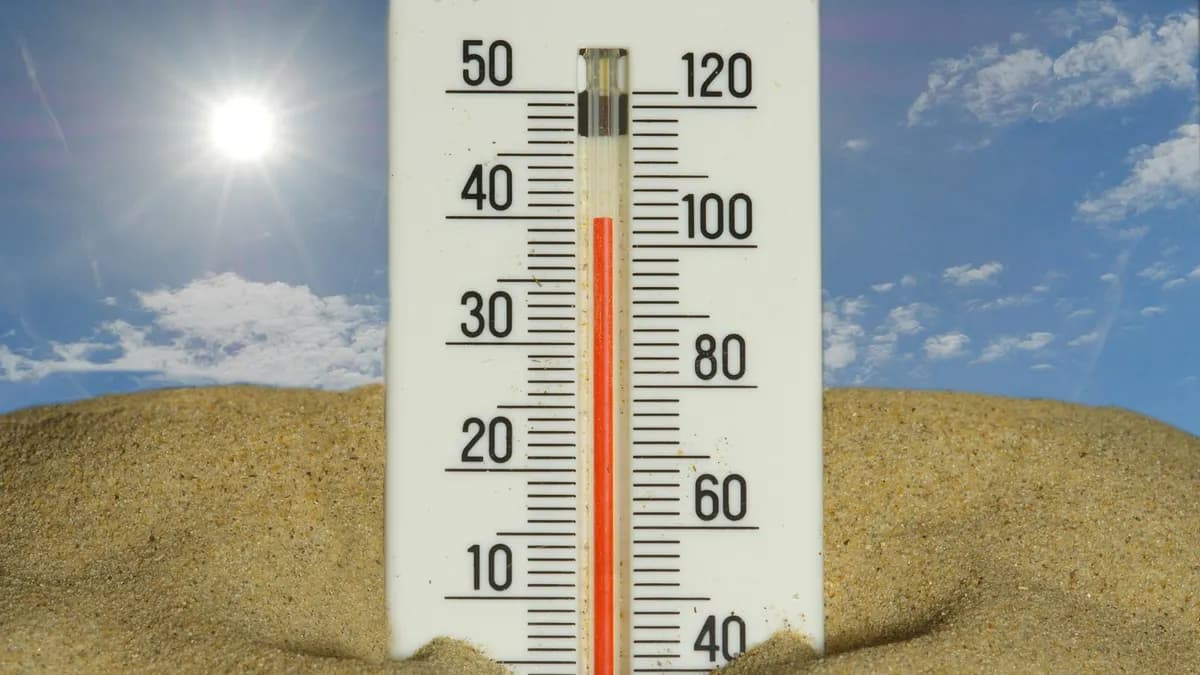
Calculator
Celsius to Fahrenheit: Formula, Chart, and Everyday Conversions
To convert Celsius to Fahrenheit, multiply by 9/5 and add 32. This guide shows the formula with worked examples, a reference chart, and a quick mental math shortcut for when you don't have a calculator handy.
Ugo Charles
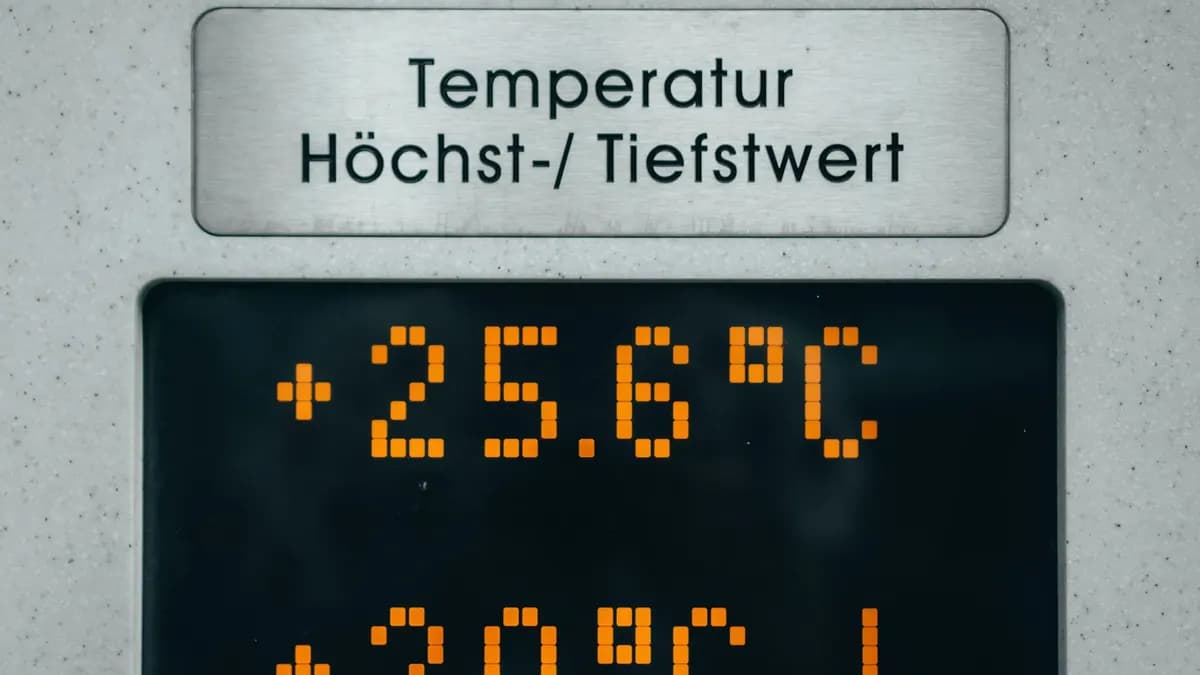
Calculator
Common Temperature Conversions: Room, Body, Weather, Cooking, and Baking
The temperatures you actually need to convert in daily life — room temperature, body temperature, oven settings, weather ranges, freezer and fridge. This guide converts each one in both directions with context.
Ugo Charles
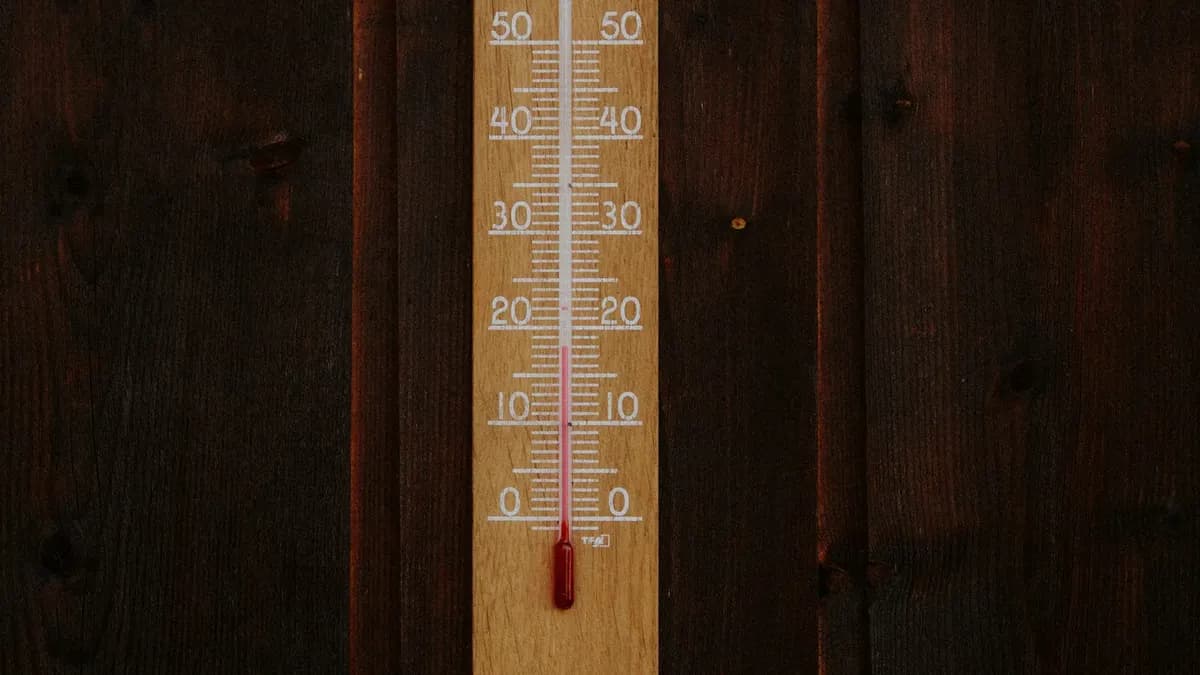
Calculator
Fahrenheit to Celsius: Formula, Conversion Chart, and Worked Examples
To convert Fahrenheit to Celsius, subtract 32 and multiply by 5/9. This guide shows the formula with worked examples, a reference chart for common temperatures, and quick mental-math shortcuts.
Ugo Charles
Written by
UC
Author
Ugo CharlesBuilt and fact-checked against our editorial standards · Last updated June 2026
Did this solve your problem?